
The Sacred Journey — Embracing Death as Our Greatest Teacher

Dying is undeniably sad—but it doesn’t have to be bad.
Death is normal and natural. In fact, life itself could be called a terminal illness. From the moment we’re born, we begin to die.
Death is a Spiritual event, not a medical event.
The only difference between a healthy person and a seriously ill person is that the seriously ill person is reminded daily that life is precious and finite, while the healthy person often lives under the illusion that they have forever.
In today’s society, death is viewed as a failure—something to be fought, postponed, or avoided at all costs. It’s seen as an enemy rather than an inevitable, sacred part of life. Because of this, many people deny its existence altogether. Some even believe that if they talk about dying or plan their funeral, they’ll hasten their own death.
But the truth is, acknowledging death gives us life.
When a person receives a diagnosis that can’t be cured, as devastating as that is, it’s also a gift, the gift of time. How we choose to use that time becomes everything.
Do we want our final days consumed by disease, or can we find a balance between living and dying? Dying can be our finest hour or our most terrifying one, but either way, it’s deeply personal. It’s our ultimate challenge and one that invites us to awaken to the sacredness of life itself.
What an End-of-Life Doula Does
An end-of-life doula is a non-medical professional trained to support the physical, emotional, and spiritual needs of the dying and their loved ones. We walk beside families during one of life’s most profound transitions, helping them create peace, presence, and closure.
Our role is to:
- Provide comfort, presence, and companionship in the last phases of life.
- Help create a peaceful environment for the dying and the family.
- Encourage self-care and emotional support for caregivers.
- Facilitate conversations about fears, wishes, and spiritual beliefs.
- Guide the family through rituals, memory-making, and legacy projects.
We might record stories, help write letters, create videos, review advance directives, plan special experiences, or simply sit in silence—holding sacred space for what is unfolding.
At its heart, end-of-life doula work is about life. It’s about helping people live fully until their final breath and helping families transform grief into sacred memory.
Exploring Mortality as a Path to Meaning
Talking about death isn’t morbid—it’s awakening. It helps us clarify what matters most.
When we explore our mortality, we uncover what gives our lives meaning and purpose.
Here are some powerful questions to reflect on:
- What have I accomplished in my life?
- What has given me purpose and meaning?
- How have I served or supported others?
- How much attention and care have I given to my relationships?
- Where have I stretched myself to heal and grow?
- Have I accepted myself and my life as I’ve lived it?
A peaceful death doesn’t happen by accident—it’s shaped by the way we live and by the conversations we have before that moment arrives. The time to talk about death is now. The time to say, “I love you,” “Thank you,” “I forgive you,” and “Please forgive me,” is today.
Resources for Families
If you’re walking with someone at the end of life—or simply want to prepare for your own sacred journey—here are two deeply valuable resources:
1. The Four Things That Matter Most by Ira Byock, M.D.
This beautiful book centers around four powerful phrases:
Please forgive me. I forgive you. Thank you. I love you.
These words hold the power to bring healing, closure, and peace.
2. Barbara Karnes’ Booklets
Barbara Karnes is a hospice pioneer whose compassionate booklets have become must-reads for families. Titles include:
Gone From My Sight (The Dying Experience), The Eleventh Hour, A Time to Live, Pain at the End of Life, How Do I Know You? (Dementia at the End of Life), and My Friend, I Care (The Grief Experience).
These resources are written in gentle, understandable language and help families know what to expect and how to support their loved one.
Creating Sacred Memories
Even when your loved one is unresponsive, speak to them.
Play their favorite music. Sing. Tell them everything you want to say.
They can hear you, even when they can no longer respond.
Part of them is already connecting with the spirit world, easing into the new form their soul is taking, remembering who they are.
Create positive memories in these final days. They will become sacred treasures for those left behind.
At the end of life, people are doing their most important spiritual work—they are preparing to return home. And as they do, we have the honor of helping them feel safe, seen, and surrounded by love.
Reflection Exercise: What Gives Me Meaning
Spend some time journaling with these prompts:
- What have I accomplished that I am proud of?
- What moments have brought me the most peace?
- Who do I need to forgive—or ask forgiveness from?
- What legacy do I want to leave?
- What does a peaceful death look like to me?
Remember: talking about death doesn’t hasten it—it honors life.
Closing Thought
Dying is a sacred passage, a return to love.
When we embrace death as natural, we free ourselves to live fully.
The goal is not to avoid dying but to live so completely that when the time comes, we can let go in peace, knowing we’ve loved well and been loved in return.
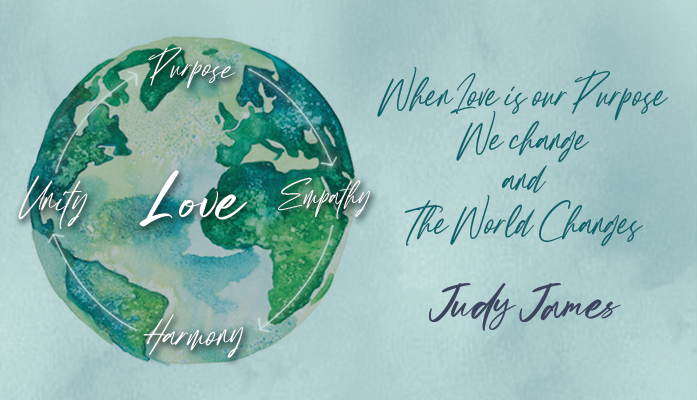
When we change the world changes.

Want to receive a weekly dose of wisdom in your inbox?
Sign up for my Weekly Wisdom emails and I’ll send you journal prompts and affirmations each Sunday along with my latest blog post to help you start your week intentionally.